


Guided by Light: 25 Years of Design with Sara McBarnette
For over three decades, Sara McBarnette has brought vision and poetic sensitivity to architectural lighting design. This year, we honor her 25-year milestone at Apeiro Design, a career shaped by innovation, collaboration and sensitivity for the built environment. Sara’s work enhances architecture and transforms the visual experience.
In this special reflection, Sara shares her thoughts on memorable projects that challenged her creativity and insights on how lighting design continues to evolve.
What has been your favorite project to work on during your time here, and what made it stand out for you?
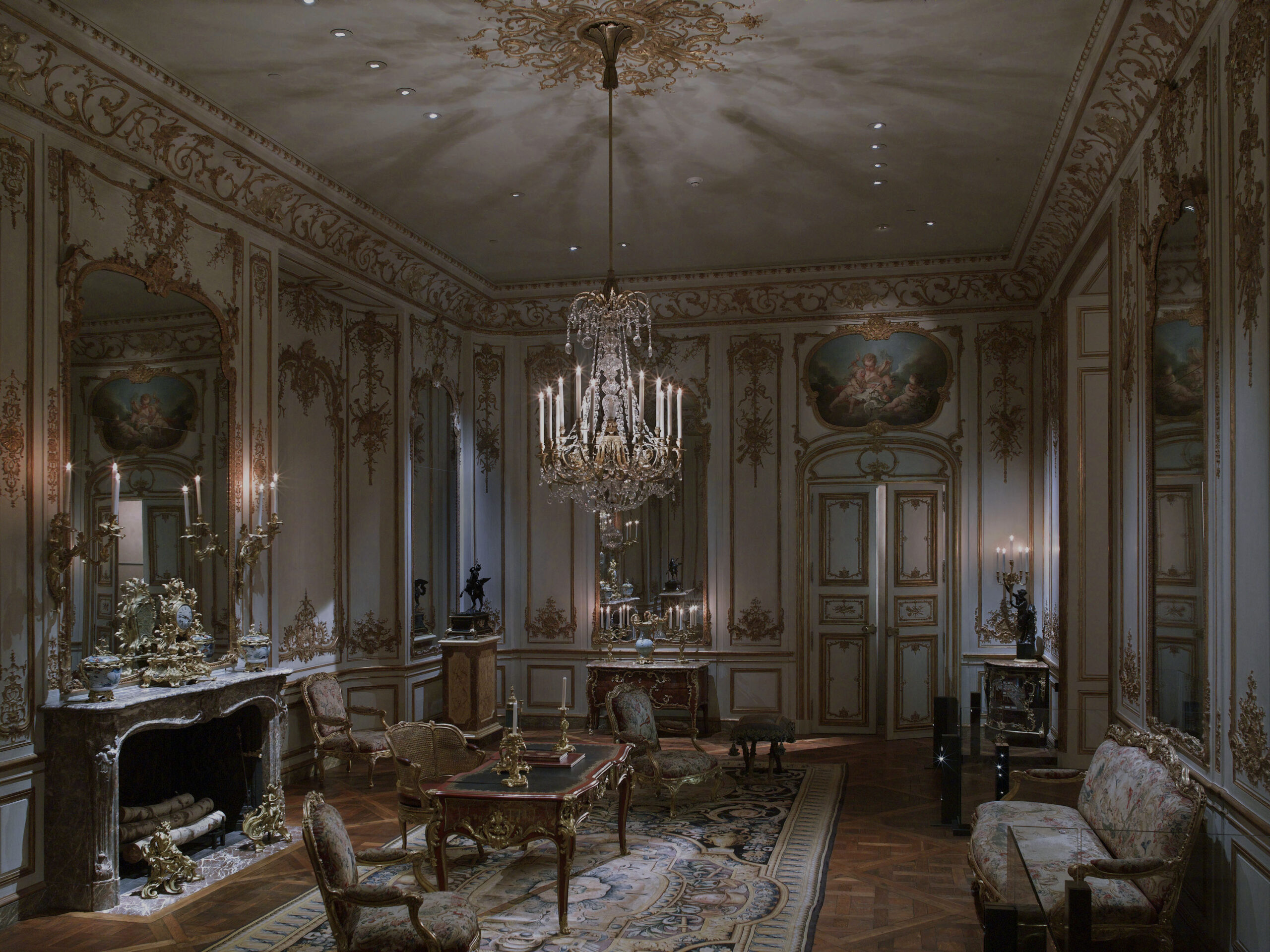
“The Wrightsman Galleries at the Metropolitan Museum of Art, in New York was a definite favorite. This was a collection of priceless artwork and furnishings from 17th and 18th century France. In fact, entire rooms including windows, doors, mantles and ceiling fixtures had been transported to these galleries–e.g. Marie Antoinette’s sitting room (THE Marie Antoinette!), Louis the XIV’s bedroom, etc.
We decided to light each room as a vignette, each at a different time of day for different daylight conditions, and to add drama and sparkle. We worked closely with curators, conservators and refurbishers to design hidden light sources and wiring within chandeliers for flickering candles (electric), dramatic uplighting, and tiny spotlights highlighting objects. In some rooms theatrical fixtures hidden behind windows or open doors create the effect of streaming light, such as morning sun rays. A significant budget allowed us the attention this project deserved in custom fixtures and full-scale mockups. I’m pleased to say the project was completed just in time for Mrs. Wrightsman, the benefactor, to realize her dream of holding a high society ball on her 90th birthday in her beautifully renovated galleries.”
What project pushed you professionally—where you confronted real challenges and growth?
“Every project, no matter how big or small has had a challenge of some kind which pushes me to grow. Sometimes the challenge is in unique design constraints but often it’s that lighting industry standards and tools-of-the-trade are evolving. It’s important to continually learn about new technologies and design trends. That and design team coordination are always areas of growth.
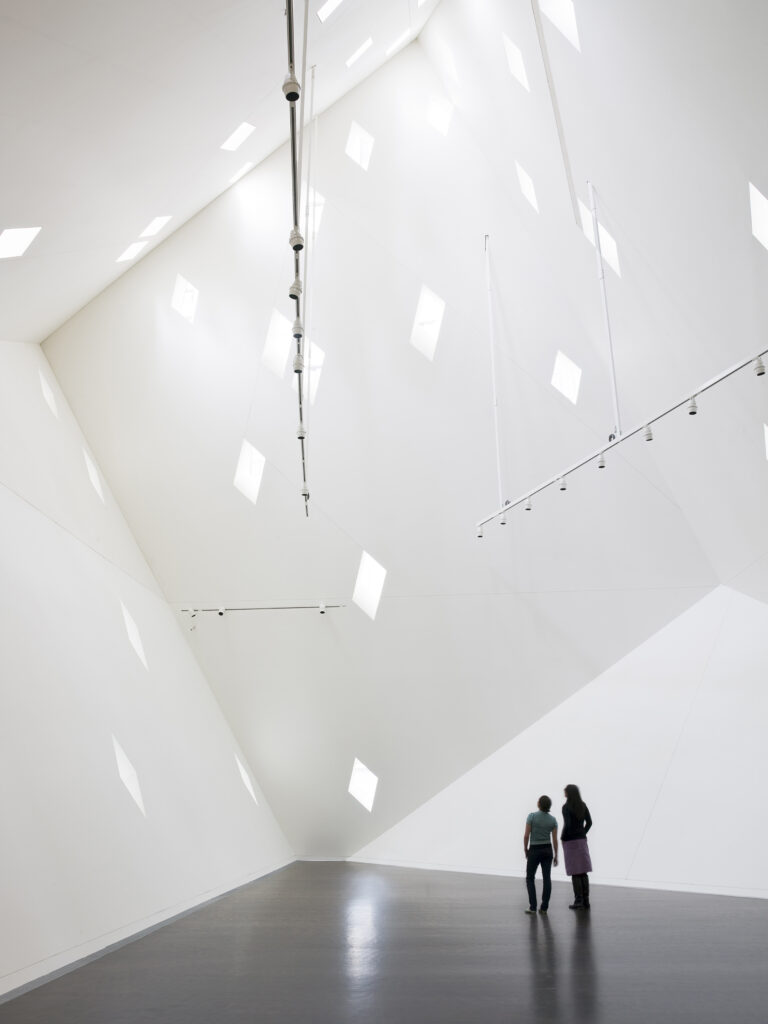
I remember detailing light fixture mounting for the Yud Gallery of The Contemporary Jewish Museum, which is a voluminous gallery with souring 65ft height. It’s shaped much like a cube balanced on one point, yet not one wall surface is parallel to another. The coordination of mounting points and wiring was especially challenging as this was in the days before BIM. Many mockups and physical models were required. I learned the most effective problem solving comes with having good team relations and open frequent communication.”
Is there a particular accomplishment from a project that you’re especially proud of—and why?
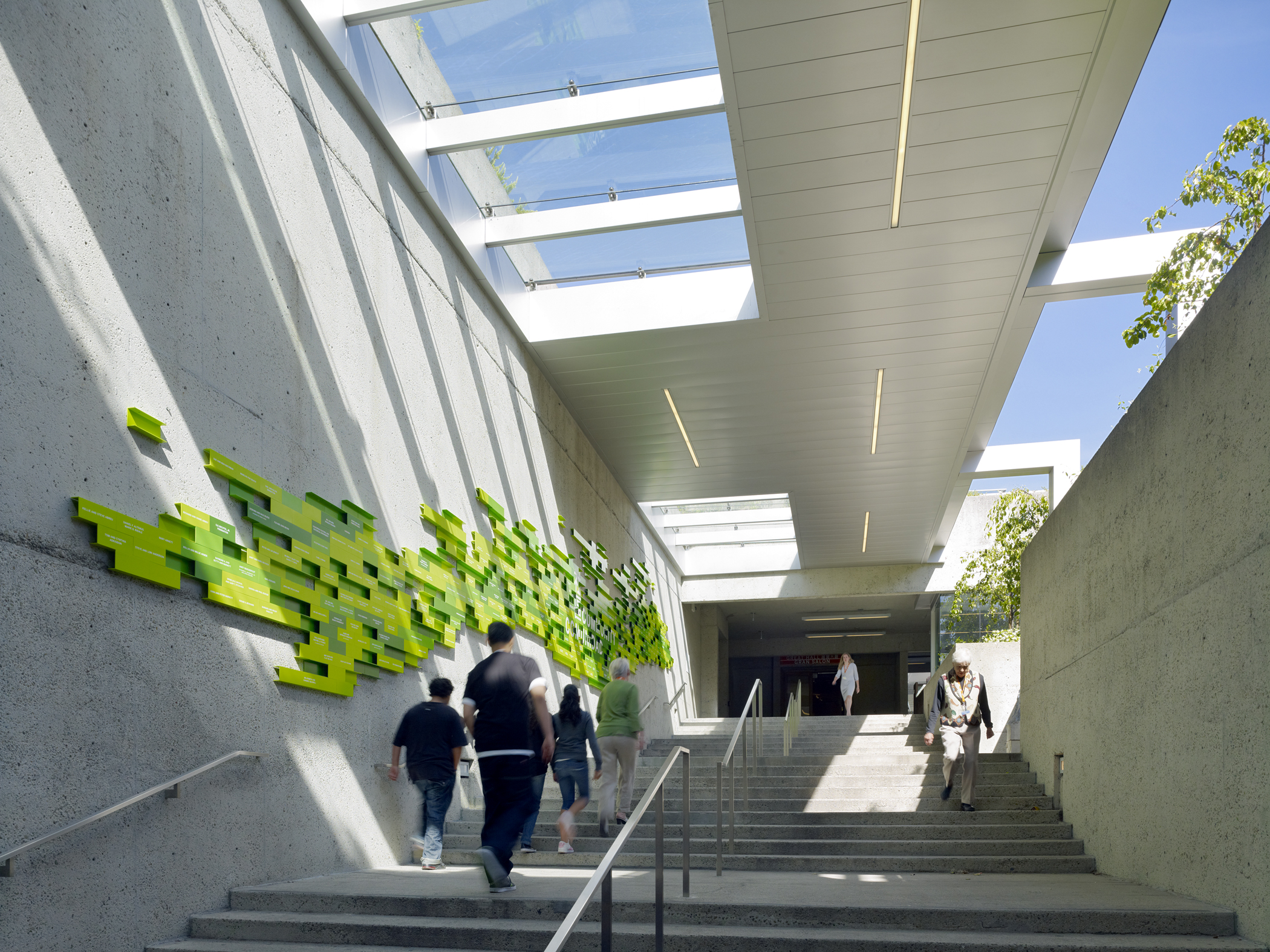
“The renovation of the Oakland Museum of California was a special project for me, not only because of the beautifully illuminated gallery vignettes, or the elegant custom mounting details for suspended lighting equipment on the heavy concrete architecture, but primarily because of our creative approach to limiting energy consumption. This project was the first time the California Energy Commission reviewed and approved the use of a remote sub-branch circuit current limiter panel for track lighting to meet Title 24 energy code. This is now standard practice, but it was new at the time, and it felt good to be at the forefront of improving design practice.”
What’s the most out-there or unconventional lighting concept you’ve designed?
“Architectural lighting enhances something else, such as architecture, landscape, artwork… The lighting is not typically the main event, unlike event lighting or some stage lighting, but plays a powerfully supporting role in the user experience.
That being said, the executive and hospitality top floors at the Salesforce Tower in San Francisco I would consider “out-there” when it comes to architectural lighting because it approaches an immersive experience. The system includes spectral tuning capable light sources. Scenes can be selected that change the color of light to match sun and sky conditions or create drama. For example, at night, pattern projection and deep colors are added to make the interior space feel like the Cityscape and thus erase the visual boundary of interior to exterior.”
Is there a project you love simply for how it feels—not just its design or technical complexity?
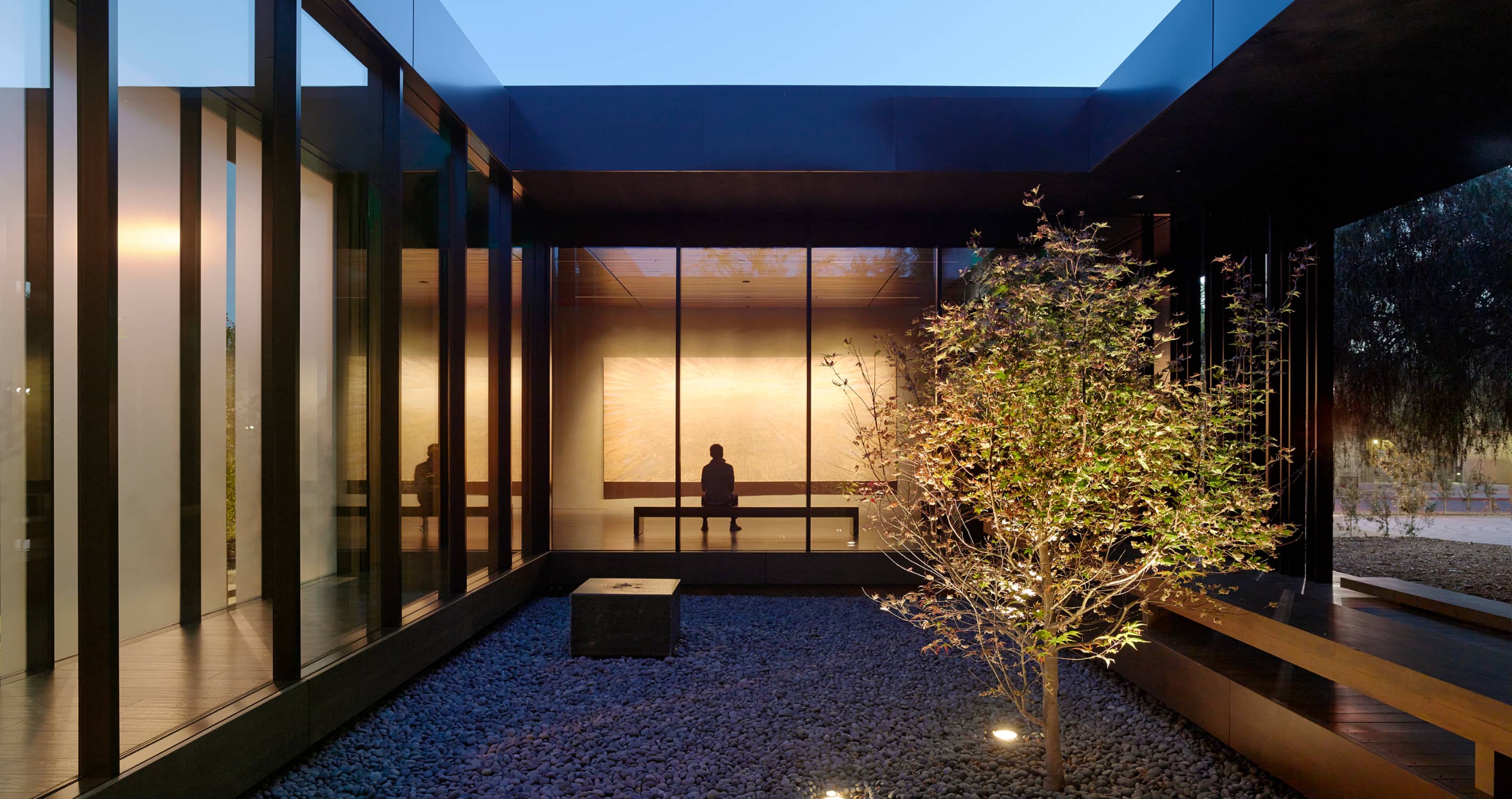
“The Windhover Contemplative Center at Stanford University has a special place in my heart. This building was designed as a space for quiet reflection. On display are several inspirational paintings by Nathan Oliveira and every view to a painting, or to reflecting pool, or to tree grove outside, is thoughtfully curated for harmony with nature and to support deep contemplation. Soft washes of light from hidden fixtures create a magical effect in just the right places that seamlessly integrate with the architectural expression. The overall effect is an intimate, zen-like experience.”
Has there been an aspect of a design that worried you until you saw it built and finished?
“Custom light fixtures! Especially the ones that depend on field conditions. A manufacturer won’t release the order for production until shop drawings are approved; shop drawings can’t be approved unless field measurements are documented by the contractor; field measurements must wait until the environment is built. Yet, because custom fixtures tend to have long lead times, I often worry that the timeframe between measurements and procurement may delay project schedule. I worry the contractor may cut corners and make a change without checking with me. I worry that sightlines and light effect may not work if field conditions are too far off what was expected. Thankfully, I’ve had great success with custom fixtures. It helps to have good relationships with the local manufacturers’ representatives who are helpful in keeping me in the loop on whether the manufacturer is receiving the information they need in a timely manner.”
Sara’s design experience, technical knowledge and deep understanding of project management are invaluable to our clients and projects. Her 25-year tenure with Apeiro Design is an integral part of our success.”
What keeps drawing you back to lighting design?
“For me there’s a satisfying yin-yang nature to the practice of architectural lighting design. It’s the perfect combination of an intuitive approach to the “feel” and balance of the visual experience and a more technical, quantitative, practicality of making-it-happen. It’s where the artistic meets the analytical and from this dynamic interdependence comes the magic.”
Explore More
The Contemporary Jewish Museum – Official Site
Oakland Museum of California – Official Site
Windhover Contemplative Center – Official Site
The Wrightsman Galleries – The Metropolitan Museum of Art (The Met)